
 Dominic Knight
January 22, 2026
Dominic Knight
January 22, 2026
Blyth Valley and Southwold Wildlife Group: January report
The fascination of fungi
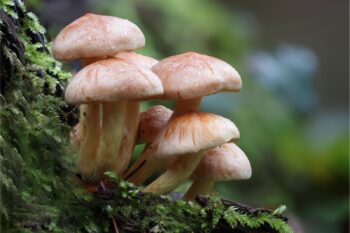
A hardy number of people braved the stormy wind and rain to come to our local Suffolk Wildlife Trust January meeting in Southwold. Tony Brown, a local naturalist of many years’ experience, presented a talk on the wonders of fungi. He explained that there is no scientific difference between a toadstool and a mushroom, as they are both essentially the same thing. The fungus that we see above the ground is the fruiting mechanism of the mycelium beneath, whether that is in the soil or within rotting wood. Mycelium can run considerable distances underground, and in the USA, some honey fungus mycelium has been found to be 30 miles long. No wonder it can spread so quickly.
Many fungal species have gills that store and spread the spores, but others have pores, ‘teeth’ or, as in the case of the ink cap, a cap containing spores that dissolves into a black ink, which was once used by medieval monks as a writing material.
Tony is an expert photographer, and we were treated to a fascinating visual account of the huge range of fungi, from bracket fungus to puff balls, coral tooth and dead man’s fingers: from startling whites to reds, ochres, yellows – the breadth of colours and shapes was extraordinary, and many were photographed locally. However, one rule Tony emphasised several times was never to eat any fungus unless you are completely certain of its identity. The deathcap is as deadly as it sounds!
We all enjoyed such a visual presentation, and it certainly encourages us to observe our natural surroundings more carefully.
Our next meeting is on Thursday, 12th February, at 7.30pm, at the Southwold Arts Centre IP18 6JP, when Martin Tickler will talk about ‘House Martins’. Entrance is £5, to include refreshment. Under 25s are free and it is open to everyone.
Contact us at swtblythvalley@gmail.com.
Penny Mansfield